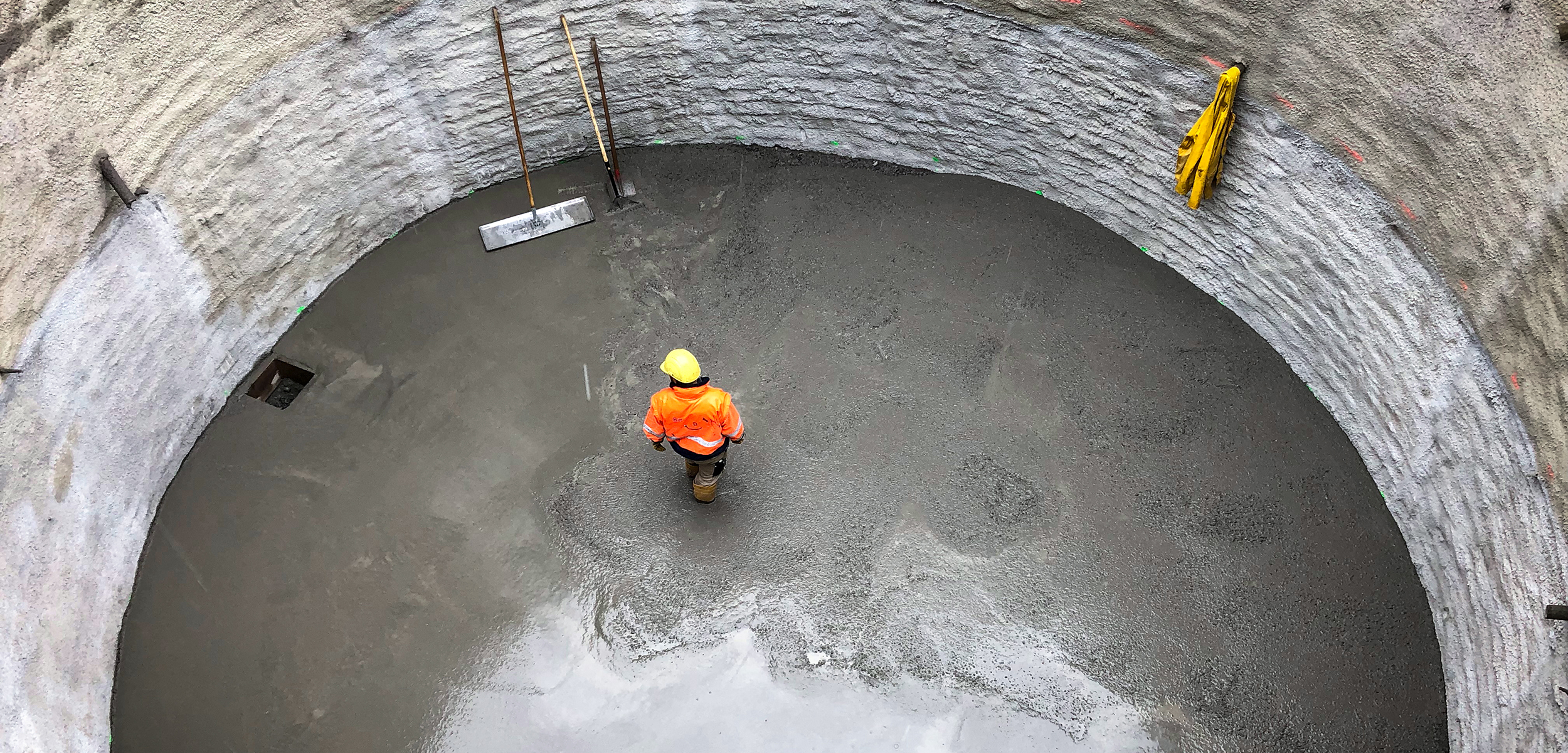
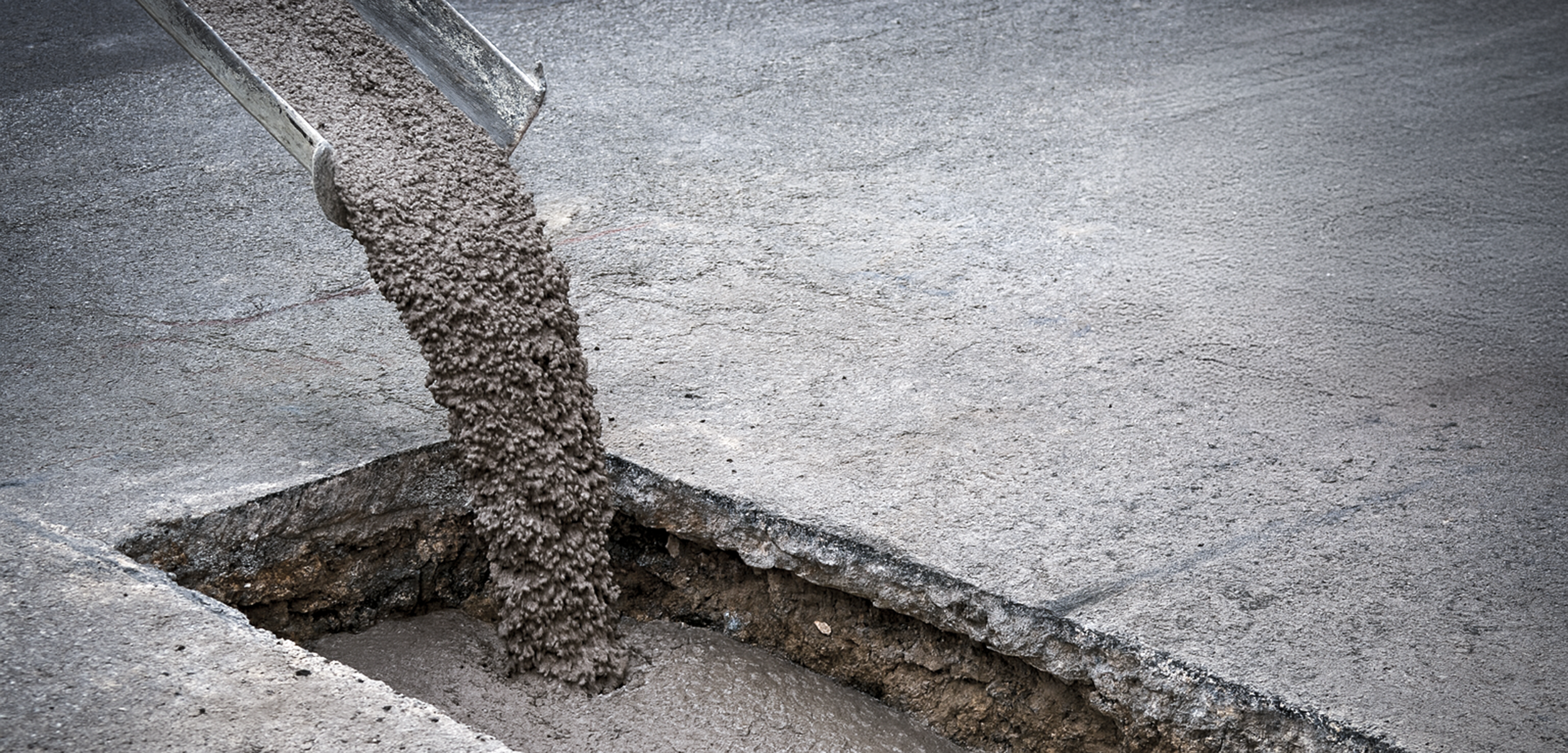
The use of this solution avoids repairs and construction failures, significantly reducing environmental and energy-related costs. By enabling thinner excavation and complete volume filling without the need for staged compaction or heavy machinery, it promotes more efficient use of raw materials and lowers overall transportation requirements. The material uniformly encases utility lines, eliminating voids and stress concentrations and thereby enhancing the long-term durability of utility networks. In parallel, the elimination of energy-intensive processes such as mechanical compaction reduces on-site CO₂ emissions and minimizes disruption both within the construction site and for end users. Furthermore, the option to produce the material using well-graded recycled aggregates supports circular-economy practices and contributes to a reduced embodied CO₂ footprint.