
INTERBETON at ESO 2026: Redefining Concrete as a Design System
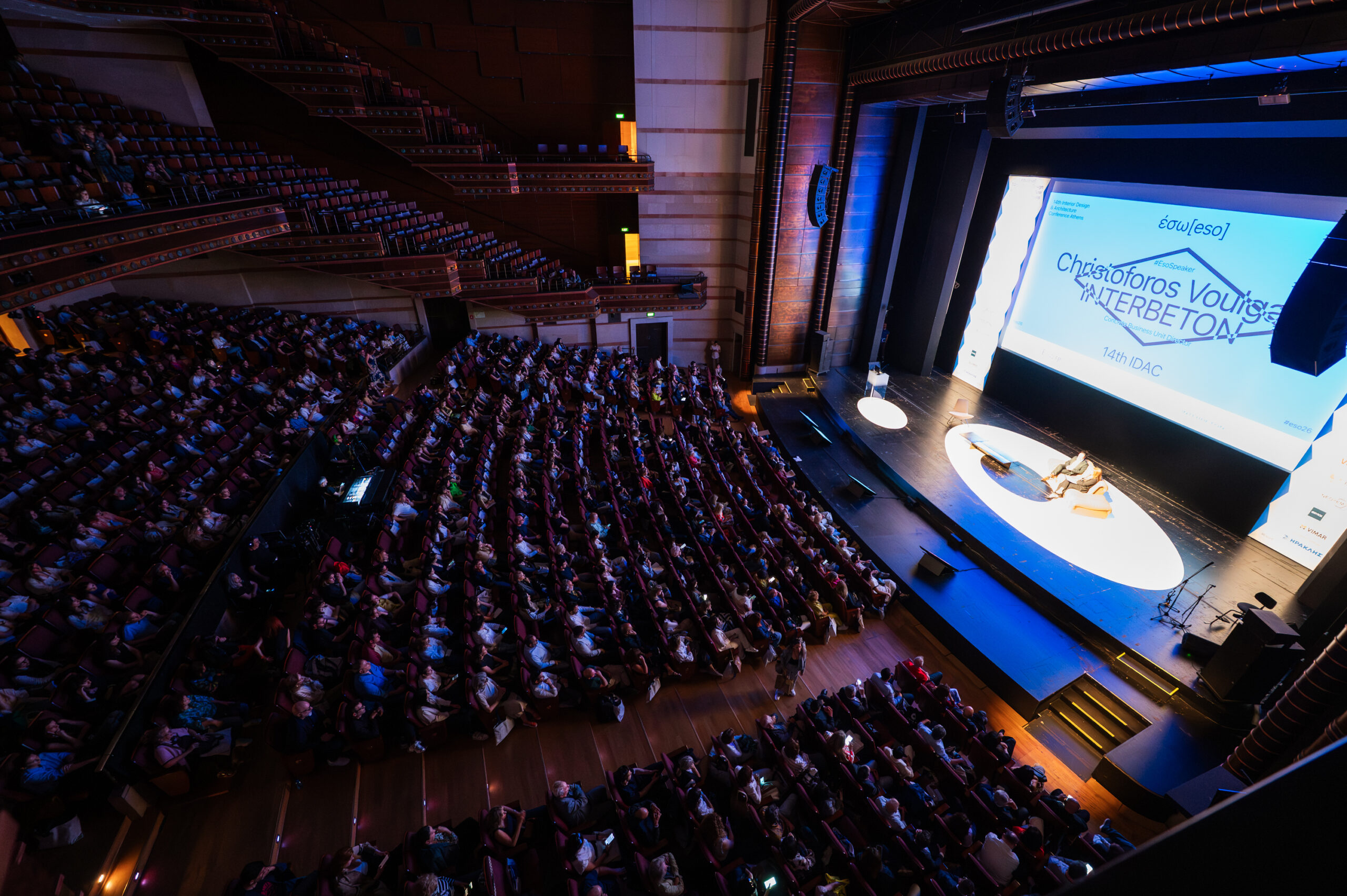
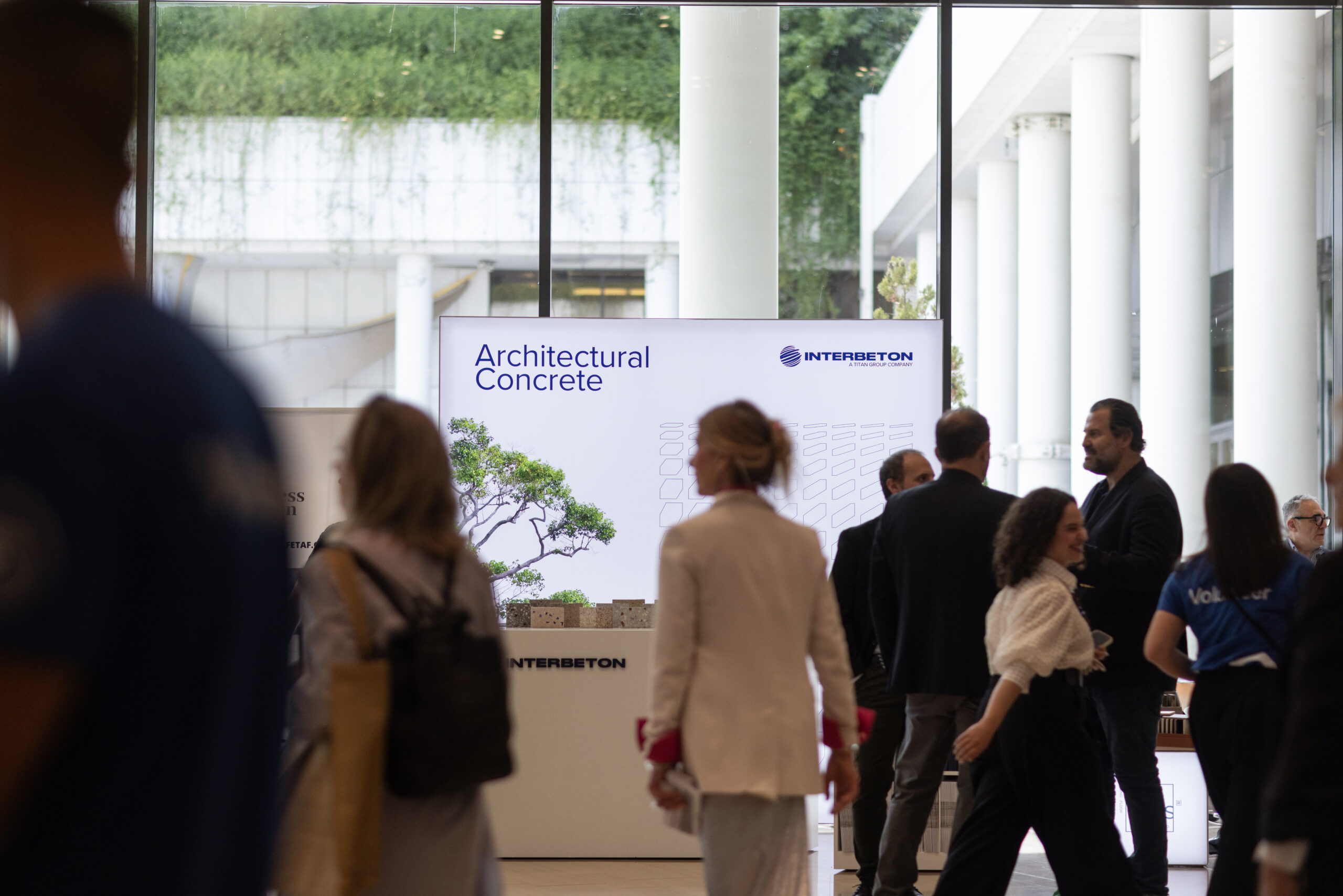
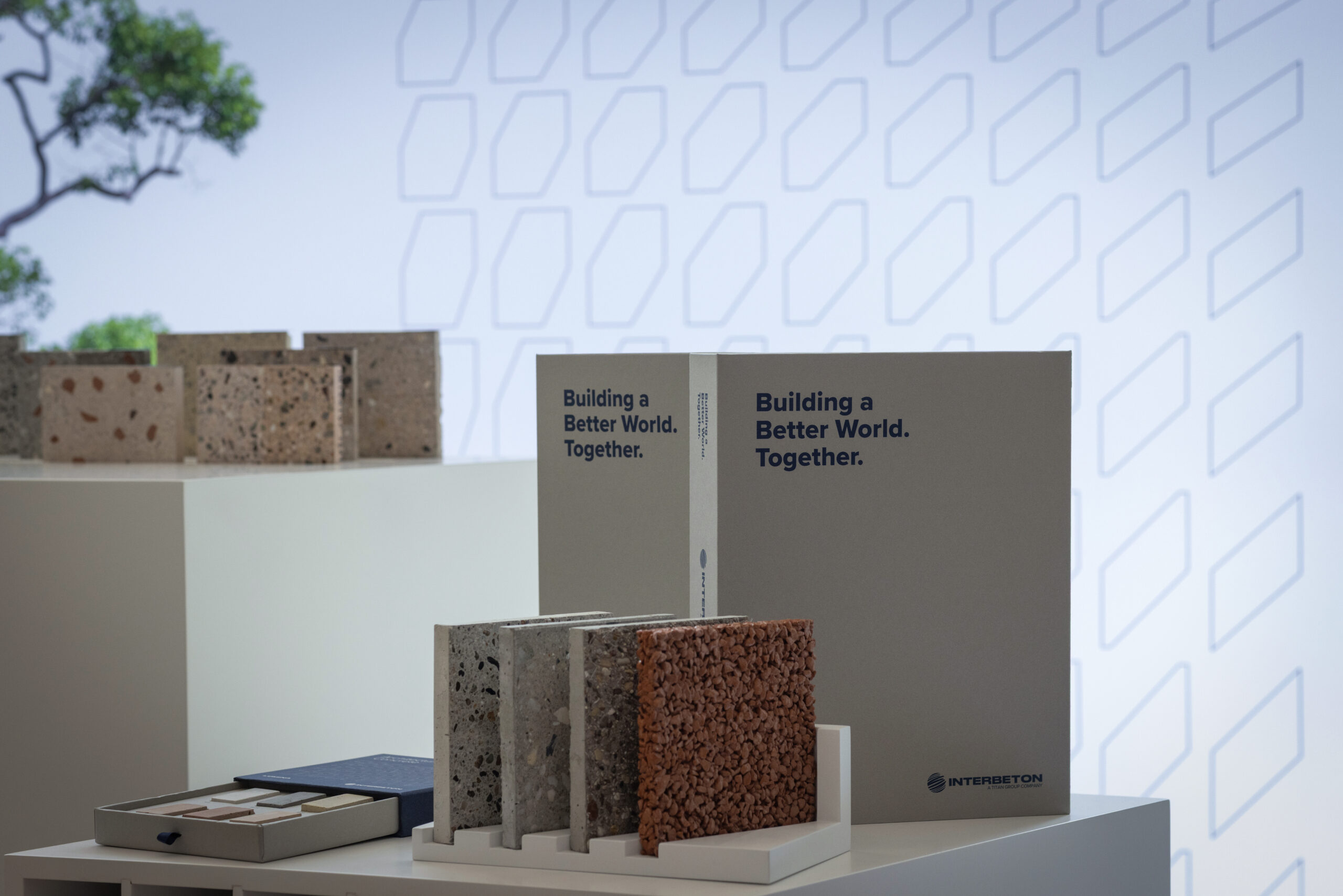

INTERBETON participated as a DIAMOND SPONSOR at this year’s ESO (Interior Design & Architecture Conference), one of the most significant events in the Greek architectural scene, continuing to actively support the dialogue around the future of the built environment. This year’s theme, “Design as Dialogue,” highlighted design as a process of continuous negotiation between different dynamics—a perspective that reflects the complexity and dynamism of the contemporary architectural landscape.
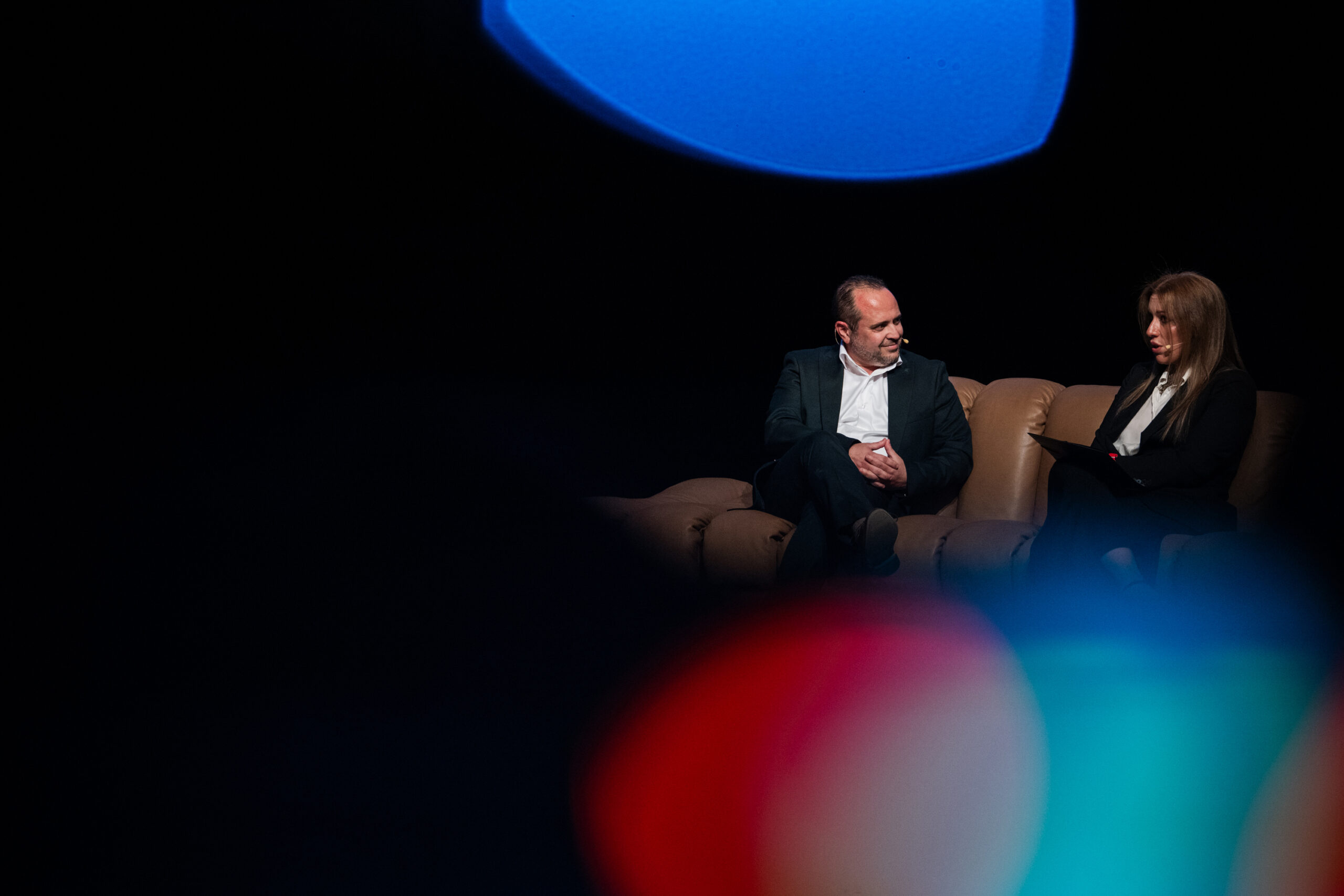
As part of the conference, Christoforos Voulgaris, Director of Concrete Activities at TITAN Group, participated in a panel discussion that offered fresh insights into how concrete has fundamentally evolved. His presentation demonstrated how concrete has transformed from a simple structural material into a sophisticated design system that integrates into the architectural process from the earliest stages.
The discussion centered on a crucial paradigm shift in how we evaluate construction materials. As Voulgaris explained, the industry has moved beyond the basic question of “does it hold?” to more comprehensive considerations: “How long will it last, at what cost, and with what environmental footprint?” This transformation redefines not just how we use materials, but when and why we choose them in the design process.
Drawing from the conference discussions, Voulgaris emphasized that concrete today is fundamentally different from what it was 30 years ago: now it is carefully designed to control behavior, durability, cracking, and water resistance over time. He described modern concrete as “a behavioral system,” highlighting advances such as longer lifespan and even self-repairing capabilities. The discussion also explored concrete’s connection to Greek architecture and Athens’ democratic urban development, particularly through the “antiparochi” system that supported broad homeownership and growth across both small and large construction sectors.
“Athens has always been a democratic city,” he observed. “Concrete is a material that suits us—and while we may not be able to change the density of the city that sometimes troubles us, architects can certainly change its form.”
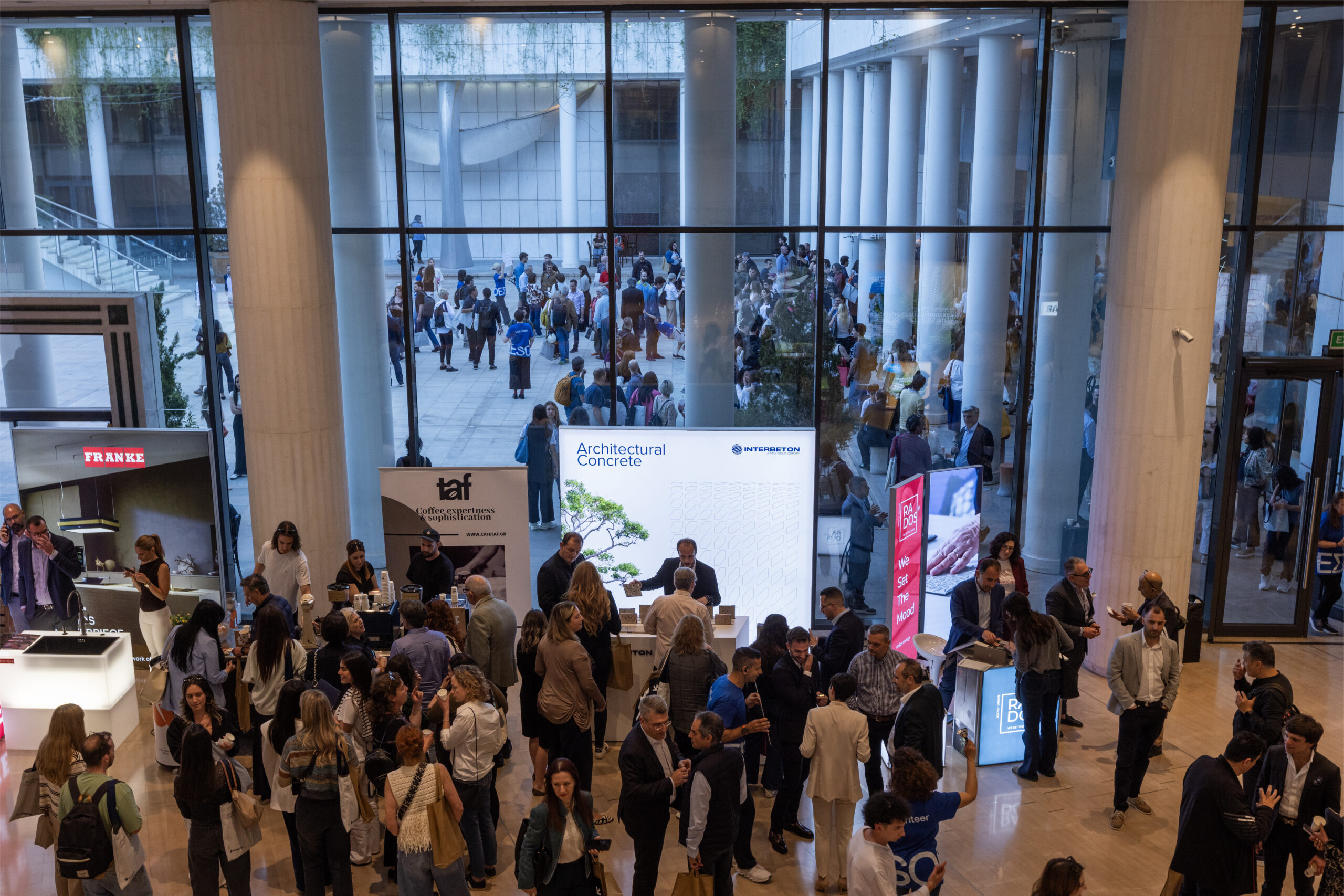
INTERBETON’s pavilion at the conference recorded exceptionally high visitor engagement, with architects and design professionals showing strong interest in the innovative architectural solutions and advanced approaches presented. The positive reception reflected the architectural community’s growing appetite for materials that combine technical performance with environmental responsibility.
INTERBETON remains steadfastly committed to promoting innovation, collaboration, and sustainable architectural practice, consistently contributing to the development of an environment that evolves with transparency, knowledge, and responsibility.